Discover the Art of Sustainable Lawncare: Creating an Eco-Friendly Landscape Apr 03, 2026
The journey towards sustainable lawncare begins with understanding your yard's unique ecosystem. Assess the soil quality, local climate, and types of vegetation that thrive in your region. A soil test can reveal essential nutrients and pH levels, helping you choose the right plants and fertilizers. Opting for native plants is an excellent choice since they require less water and maintenance, thereby conserving resources and lowering your carbon footprint.
Water conservation is a significant aspect of sustainable landscaping. Conventional lawns often demand hefty amounts of water, which can be both costly and wasteful. To combat this, consider installing a drip irrigation system, which delivers water directly to the roots, reducing evaporation. Additionally, rain barrels can be utilized to collect rainwater, providing a sustainable water source during dry spells. Implementing mulch around plants also retains soil moisture, reducing the need for frequent watering.
Another vital component of eco-friendly lawncare is the use of organic fertilizers and pesticides. Chemical fertilizers might provide a quick solution but can harm beneficial microorganisms in the soil and pollute local waterways. Organic options, such as compost, improve soil structure while keeping the environment safe. Maintaining healthy soil also encourages biodiversity, promoting the presence of earthworms and beneficial insects that naturally curb pest populations.
Practicing reduced mowing is a simple yet powerful way to enhance your lawn's sustainability. By allowing grass to grow a little longer, you can strengthen root systems and improve resistance to heat and drought. Try leaving grass clippings on the lawn after mowing; they decompose quickly and return valuable nutrients to the soil.
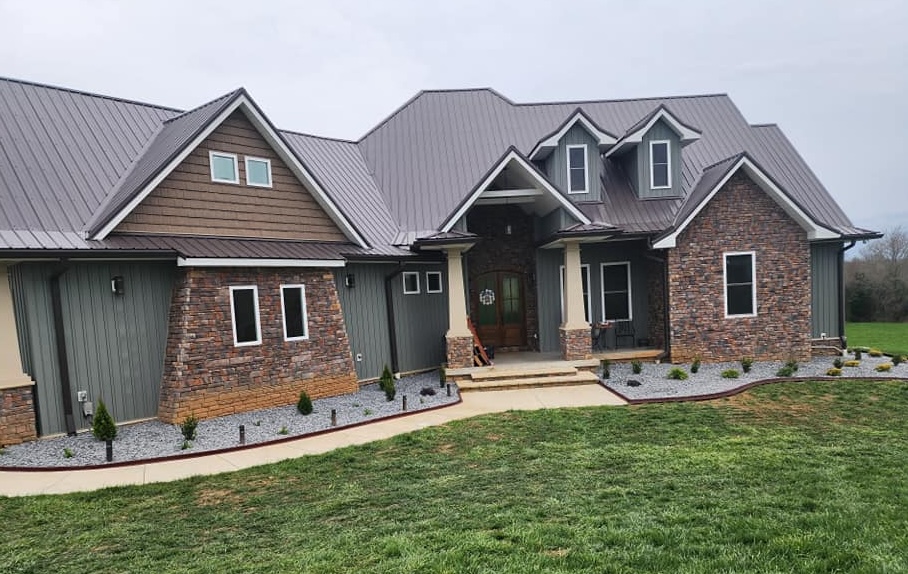
The incorporation of hardscaping elements can further amplify the sustainability of your landscape. Features like stone pathways, decks, and patios reduce lawn size, thus minimizing water usage. These elements can be both functional and decorative, providing a space for outdoor activities while seamlessly integrating into the natural landscape. Choosing permeable materials for your hardscape allows rainwater to absorb into the ground, reducing runoff and erosion.
Lastly, encourage wildlife by creating habitats. Birdhouses, bee hotels, and small water features attract beneficial wildlife that supports a balanced ecosystem. Not only do these features enhance the beauty of your yard, but they also play a crucial role in pest control and pollination.
In conclusion, transitioning to sustainable lawncare requires thoughtful planning and a willingness to adapt eco-friendly practices. Dustins Lawncare and Landscaping is here to assist with expert advice and services that align with your sustainability goals. By choosing sustainable practices, you contribute to a healthier environment and create a stunning landscape that you can enjoy for years to come. With each step towards sustainability, we collectively nurture our planet, one lawn at a time.
/filters:no_upscale()/filters:format(webp)/media/a8cb9786-b635-44b7-96cc-91c1ebc15cf1.jpeg)
/filters:no_upscale()/filters:format(webp)/media/1e25adb0-efdd-4a5c-9e2e-586d559f26cc.jpg)