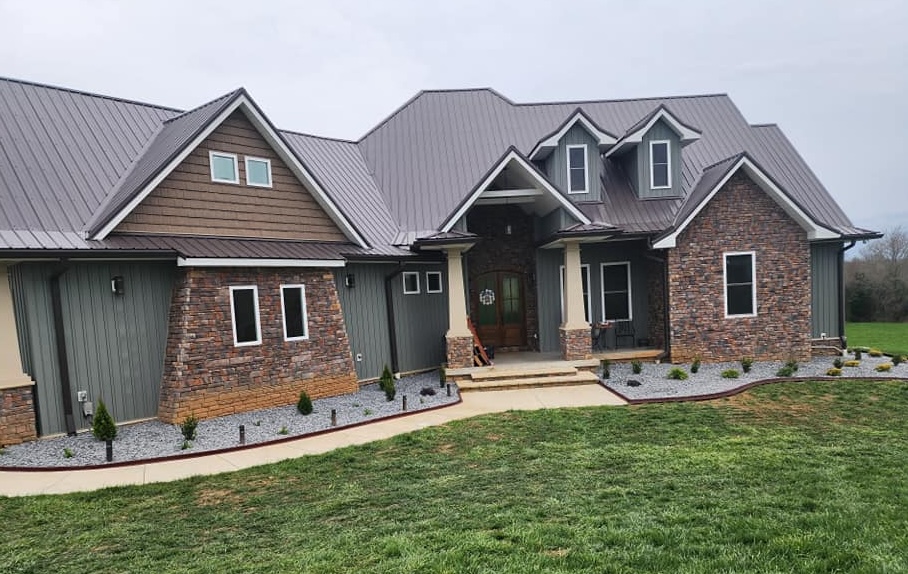
Revitalize Your Garden with Eco-Friendly Hardscaping Solutions Mar 02, 2026
Eco-friendly hardscaping not only enhances the visual appeal of your garden but also helps conserve resources, manage water runoff, and reduce maintenance costs. The transition to green landscaping practices begins with choosing the right materials. Recycled and locally sourced materials can significantly reduce the carbon footprint of your project. For instance, opting for permeable pavers made from recycled concrete or bricks helps with water drainage while reducing landfill waste.
Water conservation is a critical aspect of eco-friendly hardscaping. Installing a rainwater harvesting system can complement other water-efficient landscaping techniques. Using permeable surfaces and materials allows rainwater to seep into the ground, reducing runoff and erosion. Additionally, strategically placed gravel paths or stone walkways not only add character to your garden but also support water management practices, allowing water to percolate naturally into the soil.
Another effective way to integrate sustainability into your garden is by incorporating natural elements. Living walls and vertical gardens have become an exciting trend in sustainable landscaping. They add lush greenery without occupying much space and improve air quality while acting as natural insulators. Selecting native plant species for these installations, ones that thrive in your climate, ensures minimal maintenance and better adaptability, contributing to biodiversity in your garden.
LED lighting is another avenue where you can integrate eco-friendly solutions. This modern lighting technology uses less electricity compared to traditional bulbs and offers better longevity. By installing solar-powered garden lights, you add charm to your garden’s nocturnal aesthetics while harnessing the sun’s energy.
Eco-friendly hardscaping emphasizes the use of sustainable materials and innovative designs that serve both aesthetic and practical purposes. Design elements like xeriscaping, which involves selecting drought-resistant plants and minimizing lawn areas, can further reduce water usage, enhancing the garden's adaptability to climate change and providing habitats for local wildlife.
Incorporating multi-functional uses for hardscapes adds value and utility to your outdoor spaces. Consider building raised garden beds from recycled wood or composite materials. These not only provide structures for growing herbs or vegetables but also act as barriers for soil erosion and manage water flow effectively.
At Dustins Lawncare and Landscaping, our focus is on aligning with ecological values while creating beautiful outdoor environments. By adopting eco-friendly hardscaping, homeowners can enjoy aesthetically pleasing gardens that require less maintenance and make a positive environmental impact. Our experienced team can guide you through selecting the best green options tailored to your garden's needs, ensuring both the beauty and sustainability of your outdoor area.
As more people embrace sustainable living, gardens designed with eco-friendly principles not only showcase creativity but align with a future-facing approach to land use. If you’re ready to transform your garden into an eco-friendly haven while contributing to the planet’s well-being, consider consulting our experts who can bring your vision to life. Prioritizing sustainability doesn’t mean compromising style or function; with eco-friendly hardscaping, you can have it all.
/filters:no_upscale()/filters:format(webp)/media/a8cb9786-b635-44b7-96cc-91c1ebc15cf1.jpeg)
/filters:no_upscale()/filters:format(webp)/media/1e25adb0-efdd-4a5c-9e2e-586d559f26cc.jpg)