The Art of Edging: Define Your Garden with Creative and Durable Borders May 31, 2026
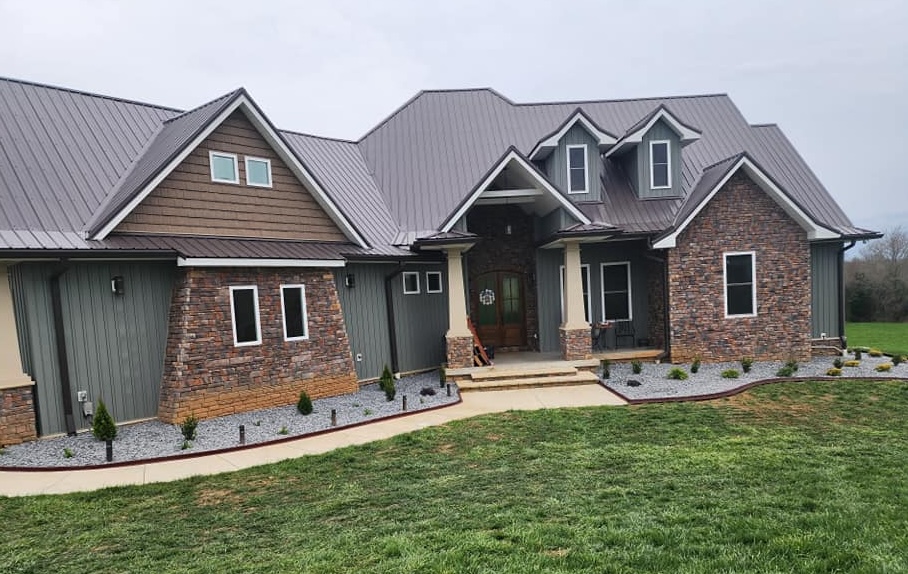
Edging is crucial for maintaining clean and crisp lines between your lawn, garden beds, and pathways. The benefits of incorporating edging into your landscape design are numerous. Firstly, it prevents grass and weeds from encroaching into your garden beds, reducing maintenance efforts. Secondly, it provides a polished look that enhances the overall aesthetic of your landscape. Thirdly, well-chosen materials can add durability and longevity to your garden structure, ensuring it remains attractive throughout the seasons.
Begin by choosing the right materials for your garden's edge. Concrete, stone, and brick are traditional, durable options that provide a classic look. These materials are excellent for defining pathways and garden beds with straight lines and right angles. If you're searching for a more natural feel, consider using wood or metal. Wooden edging offers a rustic charm, while metal adds a contemporary flair when incorporated into modern designs. Decorative options, such as colored stones or rubber edging made from recycled materials, can also add a playful touch to your garden.
Setting up your edging requires careful planning. Start by measuring the area you wish to border. Use a garden hose or string to outline your desired shape, ensuring that the lines are smooth and precise. For a perfect finish, dig a shallow trench along this line. Placement is key; materials should be laid securely in the trench to prevent movement over time. Ensure your edging is level, as this will greatly impact the overall appearance. Consider the height of your material to ensure it complements your garden’s design without overpowering it.
Beyond aesthetics, consider the functionality of your edging. For gardens prone to erosion or those located on uneven terrain, more substantial materials like stone or brick may be necessary to hold soil in place effectively. In contrast, lighter materials such as metal or plastic might be suitable for flat, straightforward designs.
Regular maintenance is essential to preserve the integrity of your edging. Periodic inspection for signs of wear or shifting is crucial, particularly after heavy rainfall. Keeping the surrounding soil in check and clearing debris will prevent unwanted plant growth, maintaining the crisp lines you've created.
In conclusion, edging is a vital component of landscape design that can elevate the appearance and function of your garden. By choosing creative and durable materials, you can craft a unique boundary that reflects your personal style while ensuring longevity. Whether you prefer the timeless appeal of stone and brick or the modern elegance of metal, there are options to suit every garden's needs. At Dustins Lawncare and Landscaping, we understand the intricacies of outdoor design and are ready to help you achieve the garden of your dreams with expertly crafted edging solutions. Enhance your yard's allure while simplifying your gardening tasks with the perfect border for your outdoor oasis.
/filters:no_upscale()/filters:format(webp)/media/a8cb9786-b635-44b7-96cc-91c1ebc15cf1.jpeg)
/filters:no_upscale()/filters:format(webp)/media/1e25adb0-efdd-4a5c-9e2e-586d559f26cc.jpg)